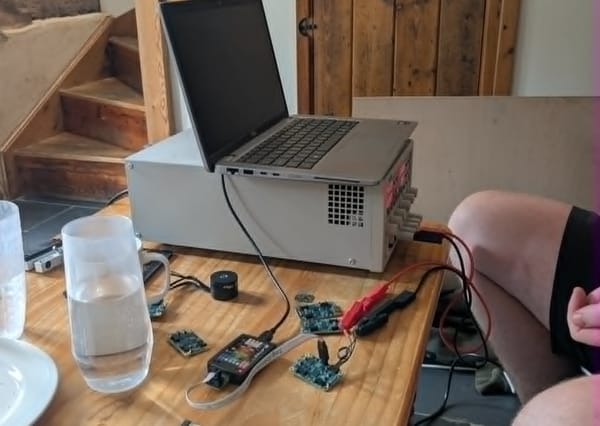
My Lastest PCB Assembly Setup
Nothing fancy, but far better than manually soldering every part

Justification
Far too long have I suffered manually assembling all of my boards, one component at a time, with a pair of tweezers and a soldering iron. Don't get me wrong, it's incredibly economical (as long as time is considered free), but it simply isn't a sustainable solution.
This is the crux of why I've laboured over manual assembly in the past, but in all honesty I'm well past the point at which I should have been properly factoring in my time as an expense (particularly given the frequency of these blog posts and overall robotics progress over the last year).
So begins my foray into spending a little more money to save a little bit of time. Lets not carried away now, the thrifting mindset won't go away completely in one fell swoop.
Why Not Outsource?
The ideal situation would be to completely outsource assembly of my boards. For a few reasons though I'm minded to not do this (at least for now), they are as follows:
- I'm not yet prepared to pay for anything this isn't JLC PCB, so that's currently my only real option
- Nothing I've designed in the past was done with JLC PCB assembly in mind and so would need re-designing (or I'd need to spend way more than I'm prepared to)
- I have a large stock of components built up from doing my own assembly previously which would otherwise go to waste (or makes assembling myself much cheaper depending on how you view it)
Maybe one day I'll bite the bullet on that front, but not just yet.
The Setup
So, what am I actually improving to?
Stencil, Paste, Hotplate, & Hot Air Station
Still pretty economical - I'm not going for a full pick and place machine yet (I think I'd spend more time getting it to work properly than I'd save placing components) and an off-the-shelf reflow oven is a bit too much money (and a bit too big) for me to justify for now.
A hotplate and hot air gun (for preheating & final re-flow respectively) to do one-sided SMD re-flow is just the ticket for me right now though. Unfortunately that means I still need to do the second side by hand, but that reduces the amount of components I'm doing per board by a significant amount, and handles basically everything complicated.
Microscopes
Yes, that's plural, I bought 2x microscopes - one digital and one optical/stereoscopic. Previously I've just used ones at work, but I thinks it's time I became a bit more self sufficient on that front. Personally, I far prefer the picture quality and depth perception provided by optical microscopes however, to buy one of equivalent quality of the ones I usually work with are comfortably outside of my hobby budget for now, which is why I decided to hedge my bet and buy a couple of cheaper options.
Here's what I've gone for:
- Hotplate: DOYFAY 700W 400℃ 200 x 200mm Electric Heating Plate
- Hot air gun: COVVY 858D 700W Hot Air Rework Station
- Digital Microscope: Andonstar AD210 10.1 Inch LCD Digital Microscope
- Optical/Stereo Microscope: Swift S41-20 Stereo Binocular Microscope
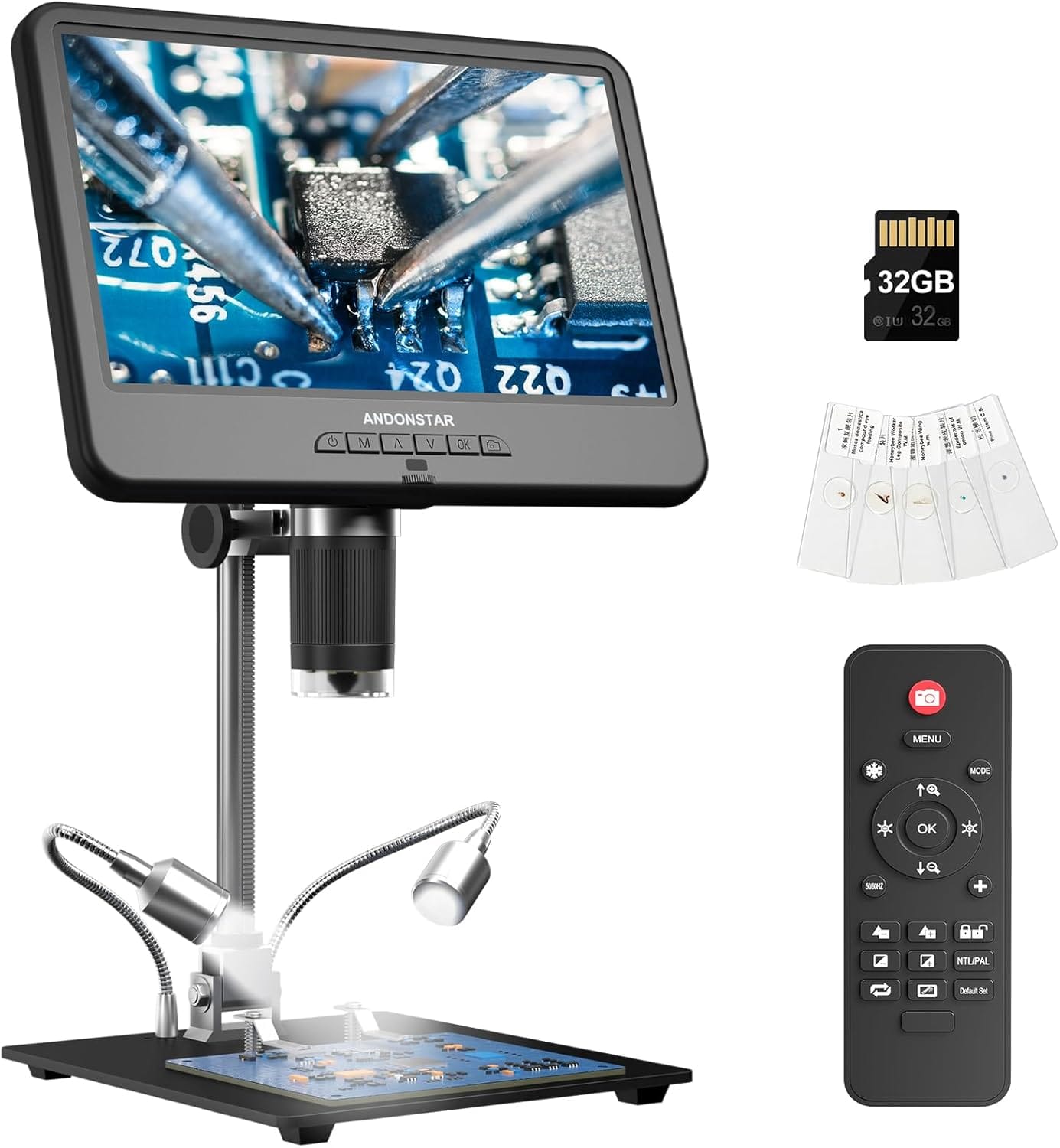
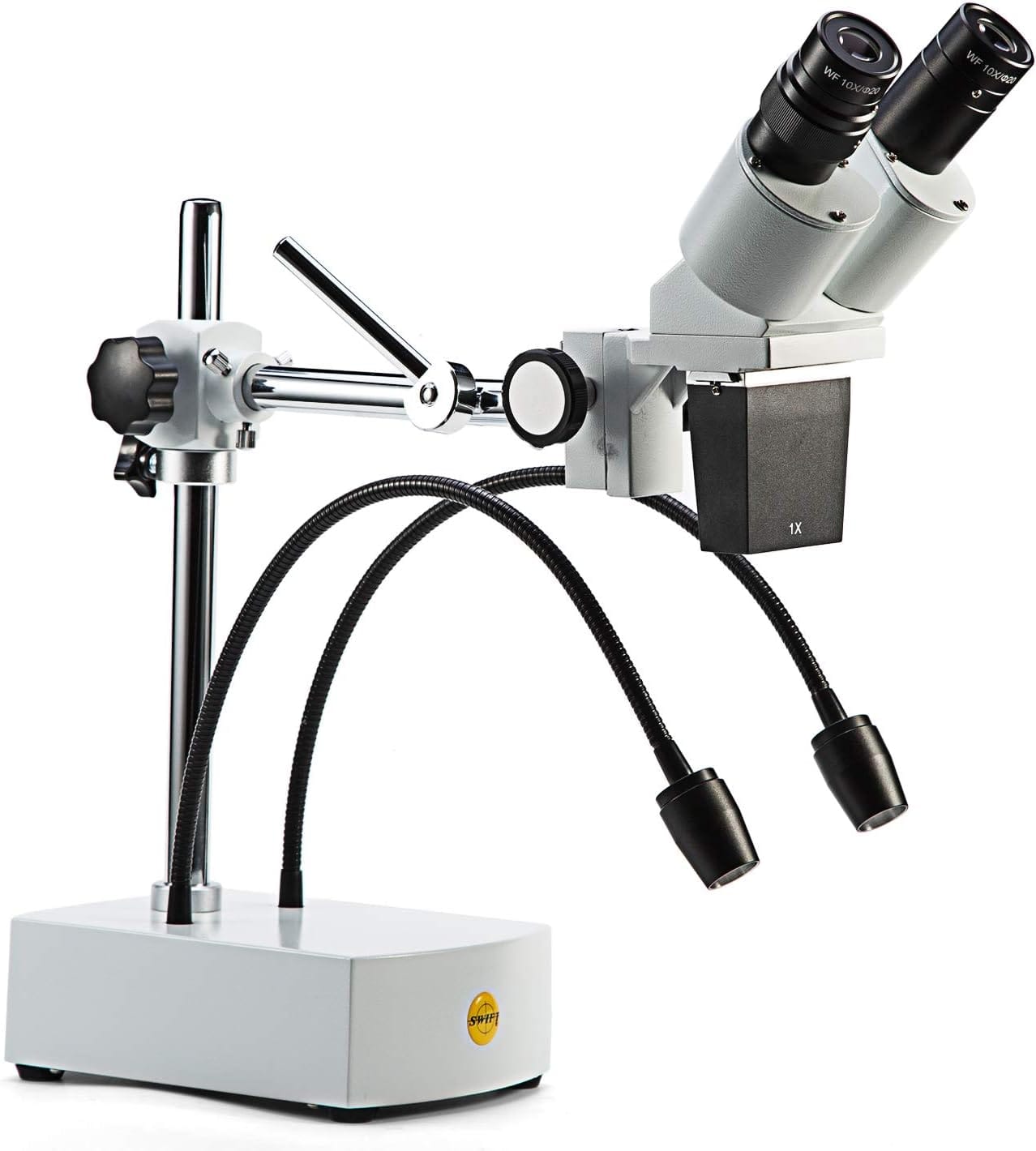
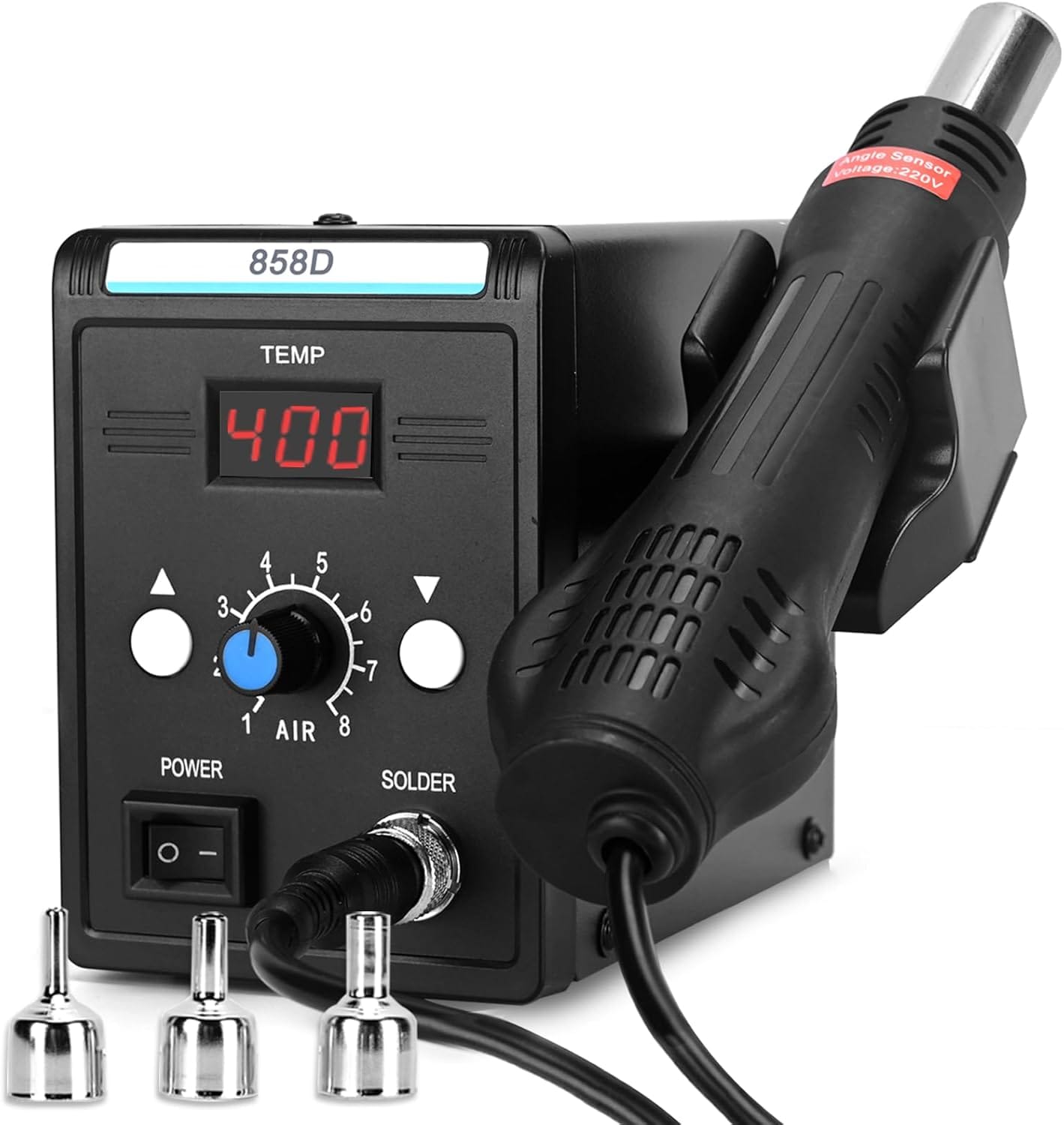
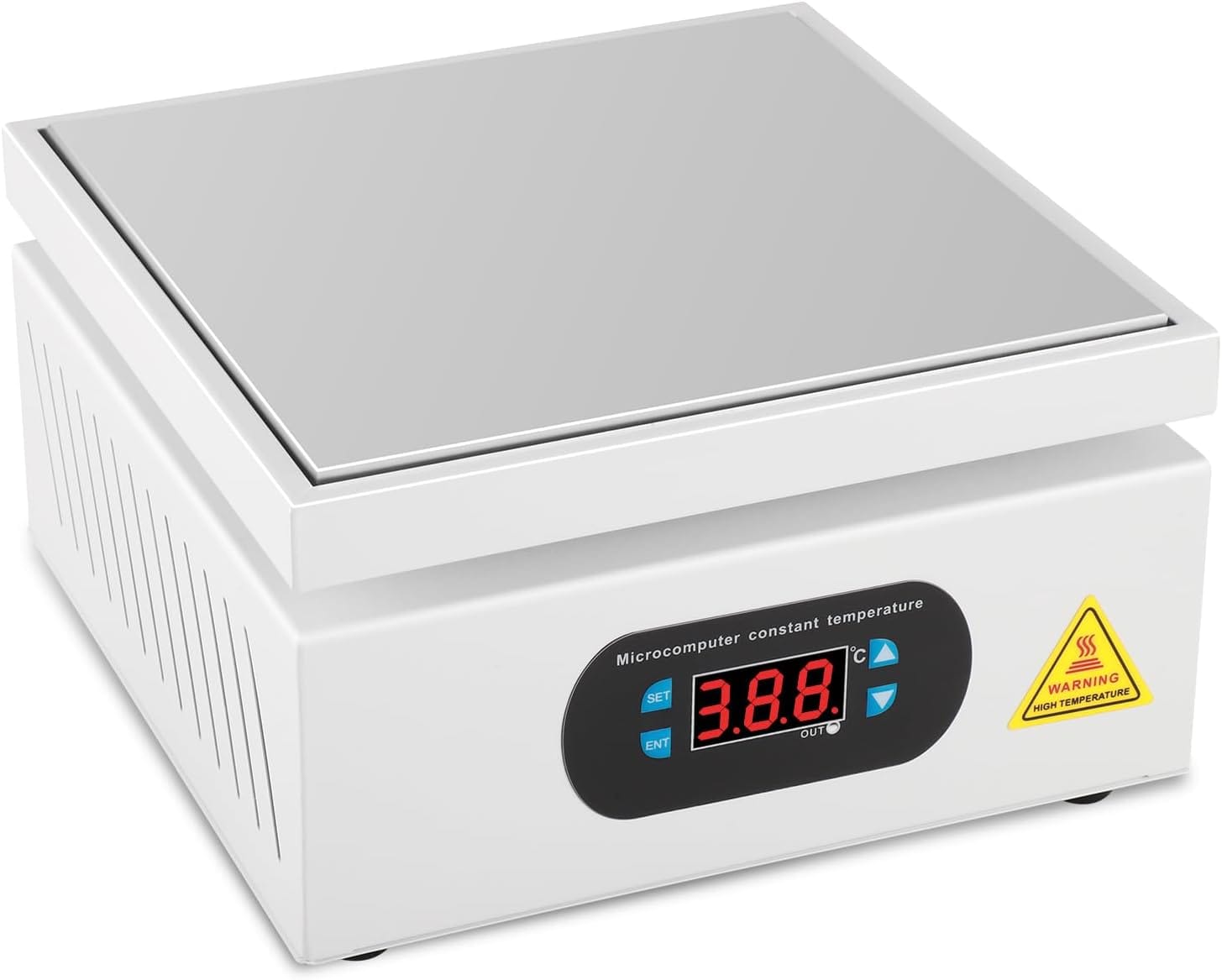
Stock images of my new electronics assembly & rework kit - nothing special, fairly mediocre in fact, but a good step in the right direction
The Future
If all goes well there should be a post or two to follow shortly showing some successful motor tests including constant position & velocity control.
Otherwise there will likely be some posts detailing the stupid issues that I've included in the Rev-B boards.
Failing that, I'm busy with other stuff, stuck in integration hell, stuck in debugging hell, or some combination of the three.
I know which one I'm hoping for...
Note from the future:
So it's been a while since I started writing this one, and a lot has happened before I've been able to post it.
Essentially, we scheduled some time to lock-in and make some solid progress (hopefully a burst of posts to follow shortly!), but it's led to a slightly manic scramble of progress and not nearly as much blogging to go with it as we'd like. We'll do our best to catch the blog up to reality over the next month or so, but here's some notes after using
A few quick notes about the new assembly setup for now though:
- Stencil paste & re-flow still takes ages without a pick and place machine (but is much faster than full manual assembly)
- It is still fairly error-prone - passives solder super well but we've had a lot of trouble with QFN packages with thermal pads - I think we have a lot more to learn around paste technique (and maybe thermal pad paste aperture design)...
- Cold paste and fewer passes did a lot to improve things the second time around, but didn't fully solve all the issues - perhaps QC is another area that requires improvement too
- The optical microscope if lovely, if you want to work on exactly one IC and nothing else - the maximum FOV is crazy small, so we've mostly been using the digital one which is really good for the price but has a handful of minor frustrations
- I'm now more tempted to try JLCPCB assembly at some point soon - paying to have assembly be a non-issue would be great for time-efficiency and my stress levels, I'll need to take a proper look at it sometime